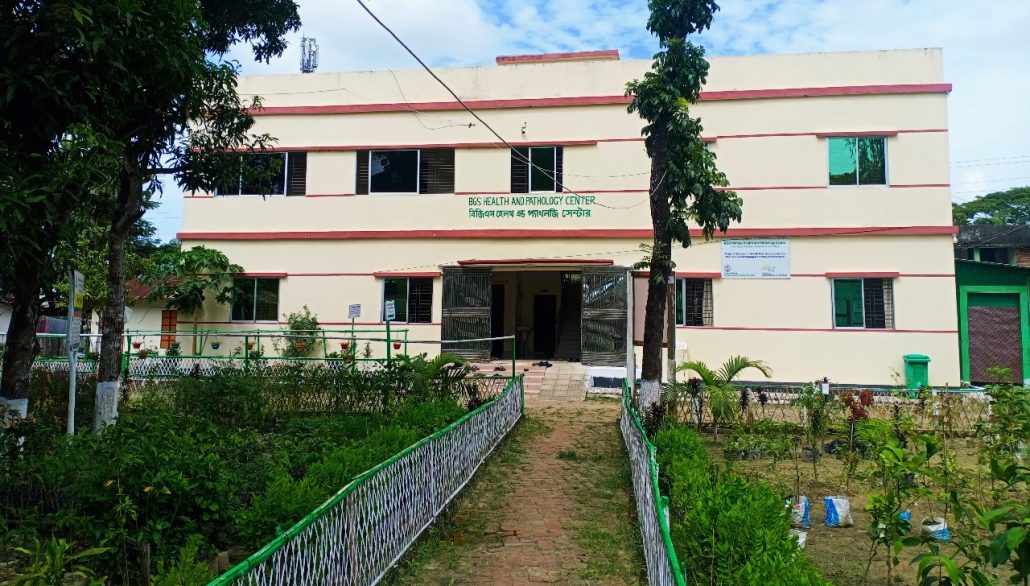
 BGS Health & Pathology Centre, Matarbari
BGS Health and Nutrition program contributes a comprehensive primary health care service and awareness activities among its target population. This program started in the initial stage the organization. Considering the needs and responding community needs, BGS continues to implement the health and nutrition program with the support different donors and organizational contributions as well.
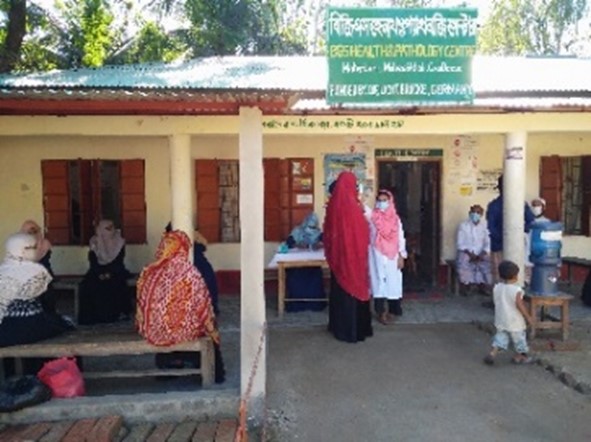
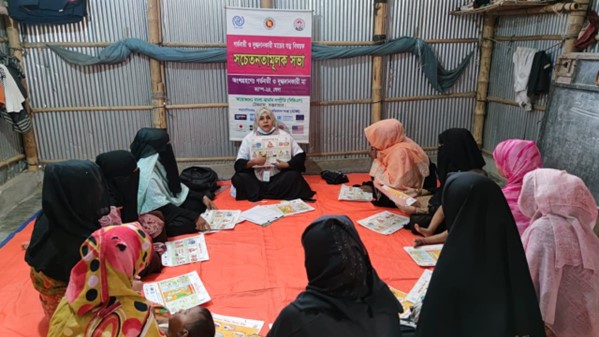
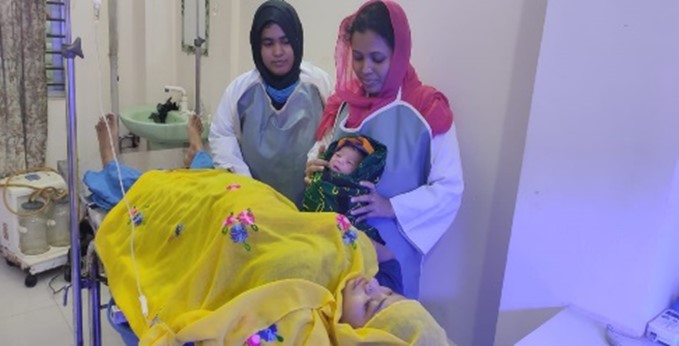
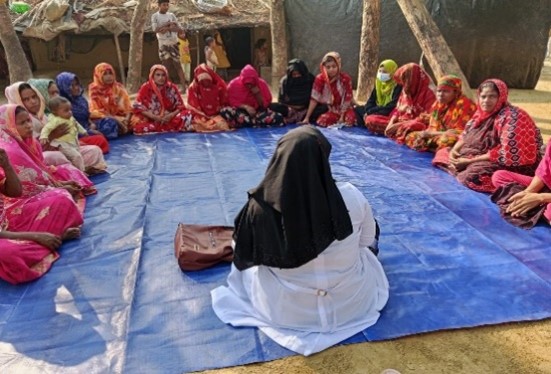
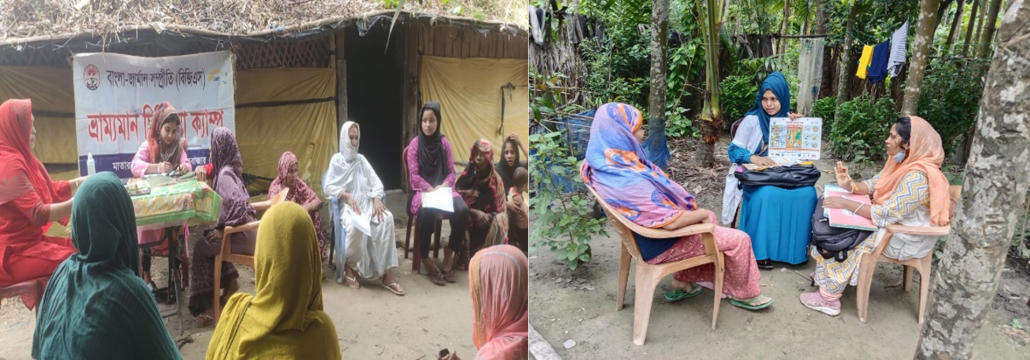
It is rendering the health care services and input delivery followed by two methodologies; center based curative health care services through primary health care and outreach health program through awareness and community engagement. The centre based curative primary health care services including safe child delivery offering a comprehensive approach that is being offered by BGS Primary Health and Pathology Centre which, is located in Matarbari union under Moheshkhali Upazila (sub-district) of Cox’s Bazar district, which is a remote Island of Moheshkhali Upazila, and the union is most vulnerable of natural disaster every year and tidal surge of sea water. While, the outreach community health awareness activities are being implemented in the community level in different areas of Bangladesh including the Rohingya communities in different camps of Teknaf and Ukhiya Upazilas.
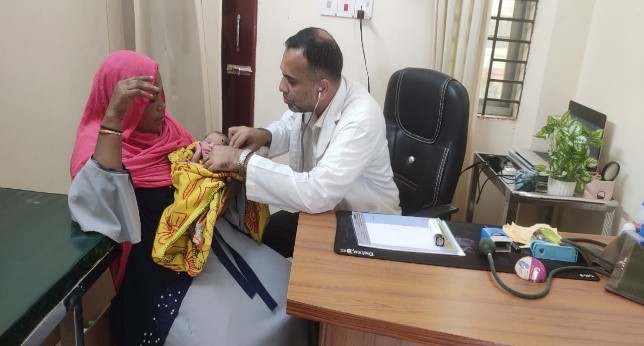
To improve health outcomes and reduce malnutrition among vulnerable populations in Bangladesh through integrated health and nutrition interventions.
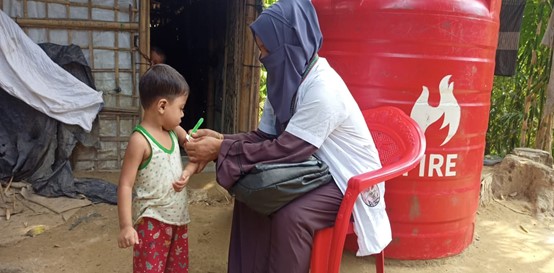
To implement the field-based program delivery, BGS deploys Health Workers, Health Promoters and Traditional Birth Attendants (TBAs) as frontline staff. It has been providing curative health care services to its target people. In the meantime, it has covered 600,000 women, children and community people. The organization has adequate working experiences with the Rohingya
communities. It has been successfully implementing different Outreach Health Awareness Program for Rohingya Refugee families and host communities since 2015, with the project supports of International Organization for Migration (IOM) and World Vision International. The implementation of those projects involved multi-sectoral factions of health and nutrition promotional interventions, while it has preventive and curative aspects of health care survices. It has been implementing Health and Nutrition related project in Rohingya camps and Host communities in Cox’s Bazar district, with the support of Lichtbrücke Germany and IOM.
Under the program, BGS has successfully implemented a number of projects during throughout the journey, with the supports and partnership of different donors and partners from home and abroad. The program has served more one million of targeted communities of host communities and Rohingya refugees.