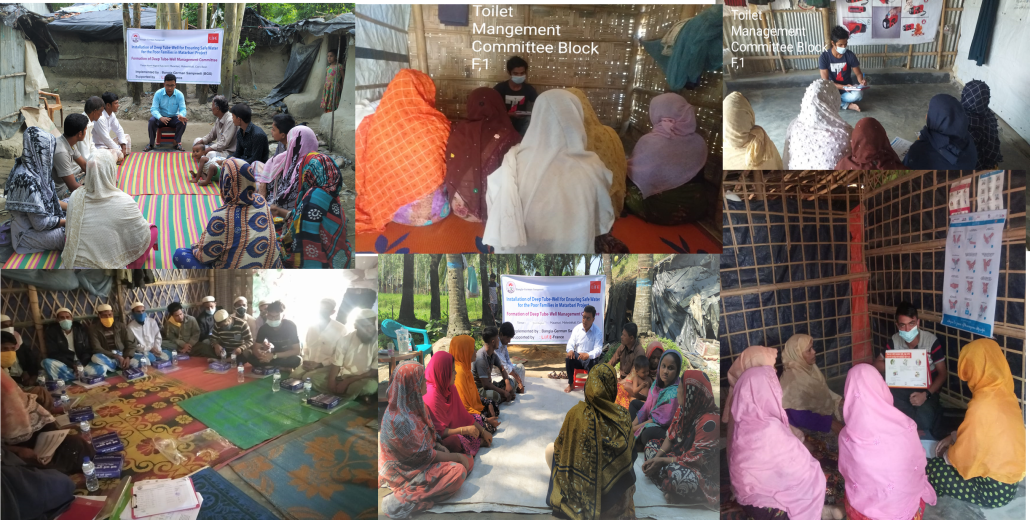
Hygiene Sessions for Rohingya and Host Communities
Water, Sanitation, and Hygiene (WaSH) a sector focused on providing access to safe drinking water, hygienic latrines/toilets and promoting good hygiene practices to prevent disease and improve community health. The WaSH program of Bangla-German Sampreeti (BGS) is a long-standing service-oriented initiative that evolved out of emergency relief and rehabilitation work in Bangladesh. Since the early 1990s, BGS has been actively engaged in providing safe water, improved sanitation, and hygiene promotion to vulnerable and disaster affected communities, particularly in Cox’s Bazar district.
The journey began as the aftermath of devastating cyclones 1991, when BGS provided urgent relief through the distribution of sanitary latrines, construction of low-cost shelters and installation of more than 1,000 tube wells between 1991 and 1993. These early efforts laid the foundation for BGS’s continued focus on building resilient WaSH systems. Over the years, the organization has partnered with key development actors including International Organization of Migration (IOM) World Vision (WV), LIFE-France, BRAC and individual donors to expand and strengthen its WaSH services.
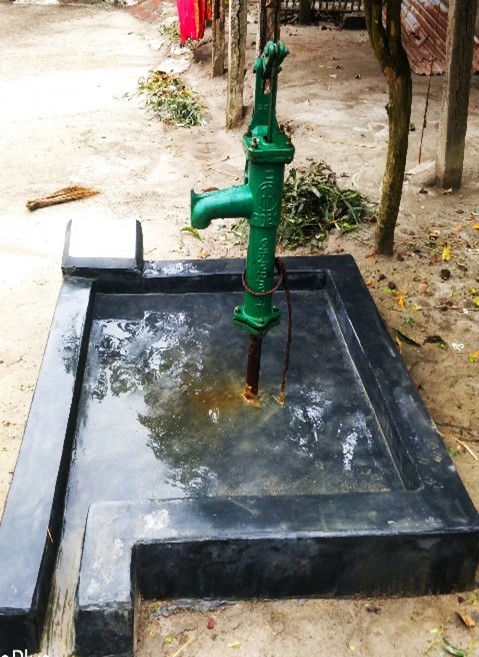
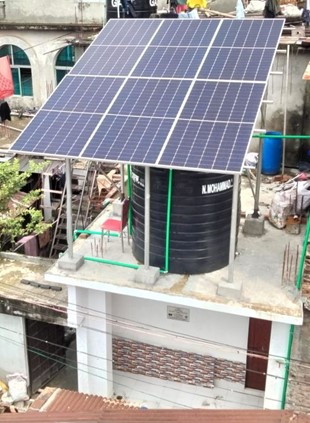
Ordinary Tube Well Overhead Tank Solar System
2019 to 2023, BGS successfully implemented five large WaSH projects covering Teknaf, Ukhiya and Moheshkhali Upazila of Cox’s Bazar district and Mithapukur Upazila of Rangpur district. These projects improved access to safe drinking water, constructed sanitary latrines, and promoted hygiene awareness among tens of thousands of beneficiaries across both Rohingya refugee camps and host communities.
In recent years, BGS has extended its WaSH interventions to the urban slum community of Ershad Nagar under Tongi Pourashava in Gazipur district. Adopting an environmentally sustainable approach, the organization has installed overhead tanks and solar powered deep tube wells. Once fully implemented, the project will directly benefit approximately 6,000 individuals by ensuring access to safe drinking water, enhancing hygiene practices and significantly reducing the prevalence of waterborne diseases. This initiative is generously supported by LIFE, France.
BGS has become a trusted partner in WaSH services across vulnerable regions of Bangladesh. Through infrastructure, behavior change and climate resilient approaches, it addresses urgent needs while building long-term resilience. BGS advances its WaSH programs with innovative technologies, wider outreach and alignment with SDG 6 on water and sanitation for all.
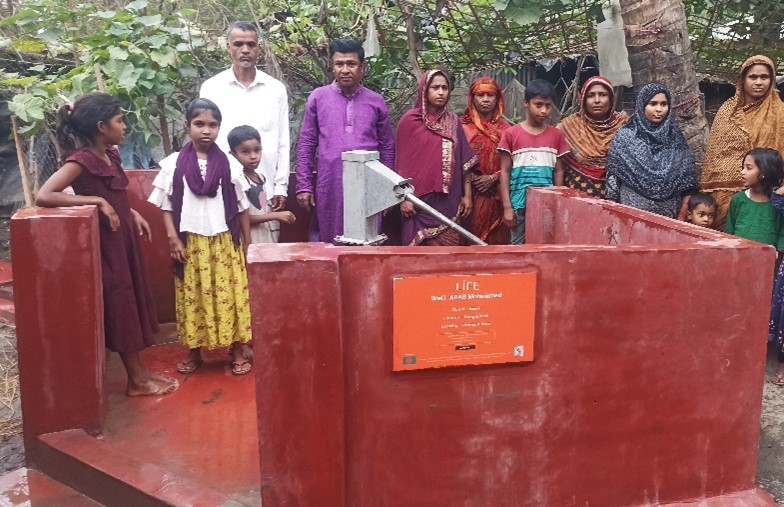
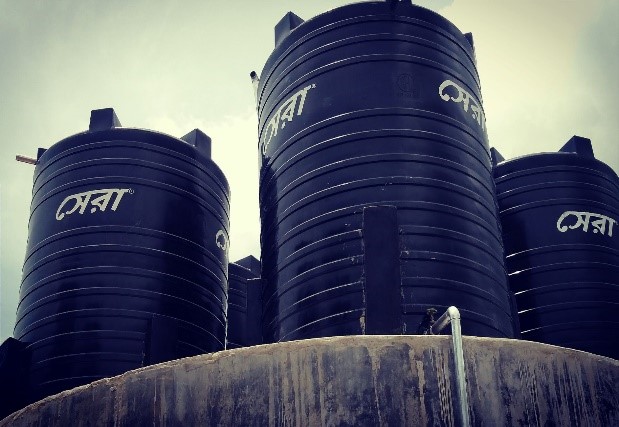
Updated System Deep-Tube-Well Water Networks Systems
Goal of the Program:
To ensure equitable access to safe water, improved sanitation, and hygiene practices among vulnerable, disaster affected and marginalized communities in Bangladesh, thereby reducing health risks and strengthening community resilience.
Objectives of the Program:
- Improve access to safe drinking water through the installation of sustainable water supply systems and Networks.
- Enhance sanitation coverage by constructing and upgrading household and community latrines.
- Promote hygiene behavior change through awareness campaigns, training, and community led initiatives.
- Strengthen community resilience to disasters and public health risks through climate and disaster resilient WaSH facilities.
- Promote inclusiveness and equity in WaSH services, prioritizing women, children, persons with disabilities and other marginalized groups.
BGS Main Focus Components:
-
Water Supply Interventions:
- Installation of deep and shallow tube-wells including overhead tank & solar system in rural and camp settings.
- Establishment of piped water supply Networks with storage tanks and multiple tap stands.
- Rainwater harvesting and water purification systems.
- Operation and maintenance training for local user groups.
-
Sanitation Facilities
- Construction of household latrines, community toilets, and gender friendly facilities.
- Installation of school and public sanitation systems.
- Solid and liquid waste management solutions, including eco-san and septic systems.
- Rehabilitation of damaged or unsafe latrines in flood or cyclone-prone areas.
-
Hygiene Promotion
- Awareness sessions on handwashing, menstrual hygiene management and safe water use.
- School based hygiene education and child friendly learning materials.
- Community led hygiene campaigns and demonstrations.
- Distribution of hygiene kits and cleaning supplies during emergencies.
-
Capacity Building and Sustainability
- Training of community groups on WaSH facility management.
- Formation of local water user committees such as Water Management Committee (WMC) and operation teams.
- Collaboration with Union Parishads and Upazila authorities for long term service delivery.
- Inclusion of women and youth as active leaders in WaSH management.
BGS New Initiatives and Innovations:
BGS has introduced new approaches and technologies to improve WaSH service delivery:
- Established a Water Network Systems: In Rohingya Camp 19, BGS established a water network with a 100,000 liters capacity, benefitting more than 7,200 refugees through 17 tap stands.
- Integrated Host and Refugee Support: In Moheshkhali, Cox’s Bazar, and Mithapukur, Rangpur, BGS installed 250 deep tube-wells, 25 shallow tube-wells, and constructed 1,000 latrines to serve over 40,000 people.
- Climate Resilient WaSH Facilities: Piloting flood and cyclone resistant latrines and tube wells in disaster prone coastal zones specially in Cox’s Bazar. Adopting an environmentally sustainable approach, BGS has installed overhead tanks and solar powered Deep Tube Wells at Ershad Nagor under Tongi Pourashava in Gazipur district.
- Menstrual Hygiene Management (MHM): Promoting dignity kits and awareness sessions for adolescent girls and women in refugee camps and host communities.
- Digital Monitoring Systems: Introducing mobile based reporting tools for tracking functionality and water quality of installed systems.
- Behavior Change Campaigns: Fixing banner, poster and distribution leaflet, using participatory methods through courtyard meeting, group discussion, group practice, storytelling and peer educators to build lasting hygiene habits.


