

Poultry Support for Ultra-poor for Livelihood Development
Food security is the basic right for all human being. Bangladesh as developing country there are food scarcity in different extends of majority populations. Although Bangladesh has significant achievements to ensure food security and prevent hunger, the government is still working to meet the dietary deficiencies and nutritional needs of the vulnerable people through promoting sustainable agriculture and social safety net programs to ensure no one leaves behind. with the government initiatives, the NGOs are contributing in achieving food security and livelihood development through different intervention and initiatives including to achieve global target 1 and 2. For enhancing food security aspect, BGS has been implementing food security and livelihood promotion program through different projects.
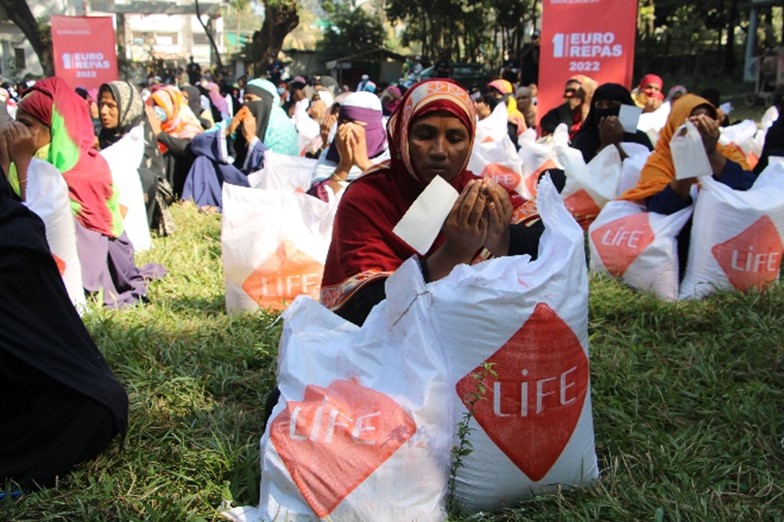
Ensure Food Security with Food Distribution
BGS’s Food Security and Livelihood program focuses and emphasizes to ensure basic food requirements through either livelihood improvement or direct food support for the vulnerable and risk-prone communities affected by the various natural and made disasters including climate change inducive vulnerabilities of the country. It may be mentioned that rural Bangladesh faces significant challenges related to food security and livelihoods, which are deeply intertwined. Despite progress in agriculture and rural development, millions of people in rural areas remain vulnerable to poverty, undernutrition, and economic instability.
One of the key problems affecting food security is climate change. Bangladesh, being a low-lying deltaic country, is highly susceptible to floods, cyclones, droughts, and salinity intrusion. These climate-related events disrupt crop production, reduce soil fertility, and damage irrigation systems. For example, seasonal floods often destroy rice paddies just before harvest, leaving farmers without income or food. Salinity from rising sea levels has degraded agricultural land in coastal districts like Cox’s Bazar and Khulna, reducing the ability to grow staple crops like rice and vegetables.
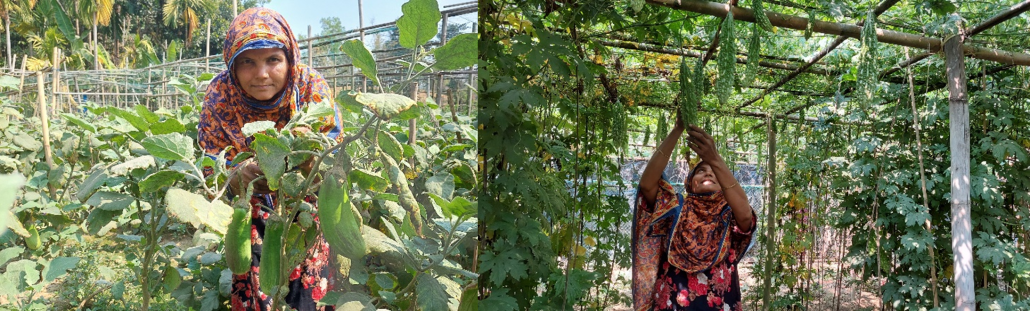
Vegetable Gardening for Livelihood Improvement
Bangladesh is an agriculture-based country, yet the land resources of the country belonged to 90% people who are rich and landlord. The landlessness is one of the major barriers for ensuring food security and livelihood improvement of the poor and marginalized families. So, landlessness and small landholdings also contribute to food insecurity. Many rural families do not own enough land to sustain themselves through farming. As a result, they depend on wage labor, sharecropping, or migration, which are often unstable or poorly paid. The fragmentation of land due to inheritance practices further reduces agricultural productivity and makes investment in modern technology unfeasible for small farmers. In addition, the limited access to agricultural inputs such as quality seeds, fertilizers, and irrigation facilities also hampers productivity. Many rural farmers cannot afford these inputs or lack knowledge about improved farming techniques. Additionally, weak rural infrastructure –storage facilities, and markets – limits farmers’ ability to sell their produce at fair prices, often forcing them to accept low prices from middlemen.

Small Business Development to Ensure Food Security
Another significant issue is that the lack of alternative income sources for the poor and ultra-poor people in rural areas. Agriculture alone is not sufficient to ensure a stable livelihood for many families, particularly during lean seasons or when crops fail. Yet, there are few opportunities for off-farm employment like; small grocery, van pulling etc. Women, in particular, face barriers to employment due to traditional gender roles, lack of education, and limited mobility and dependable economic support. This often leads to household food insecurity, as families are unable to afford diverse and nutritious diets.
Further, in many rural households, even when food is available, it lacks diversity and nutritional quality. Diets are heavily reliant on rice, with inadequate consumption of proteins, fruits, and vegetables. This results in widespread undernutrition, especially among children and pregnant women. Malnutrition weakens people’s ability to work and earn, creating a cycle of poverty and food insecurity.
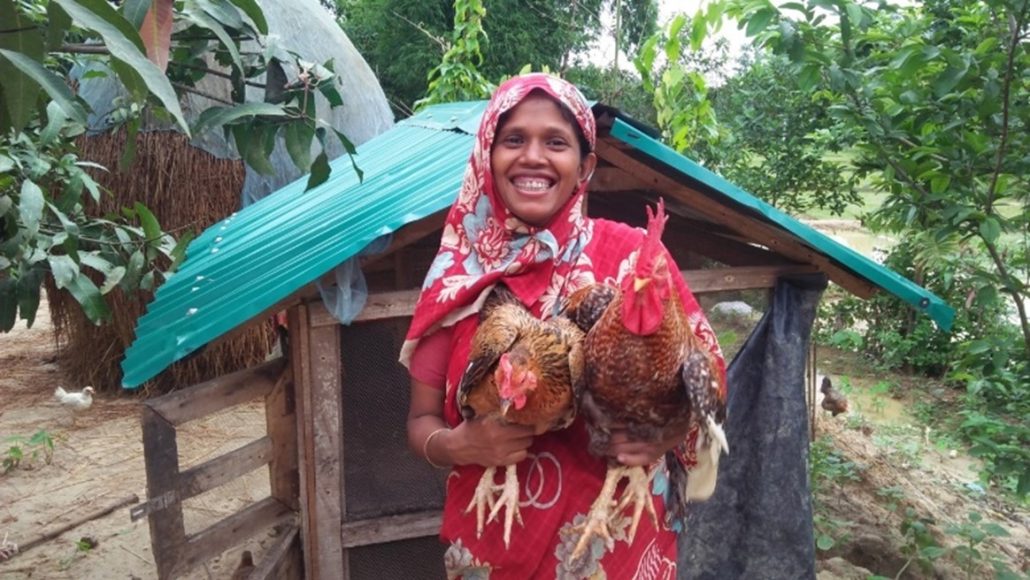
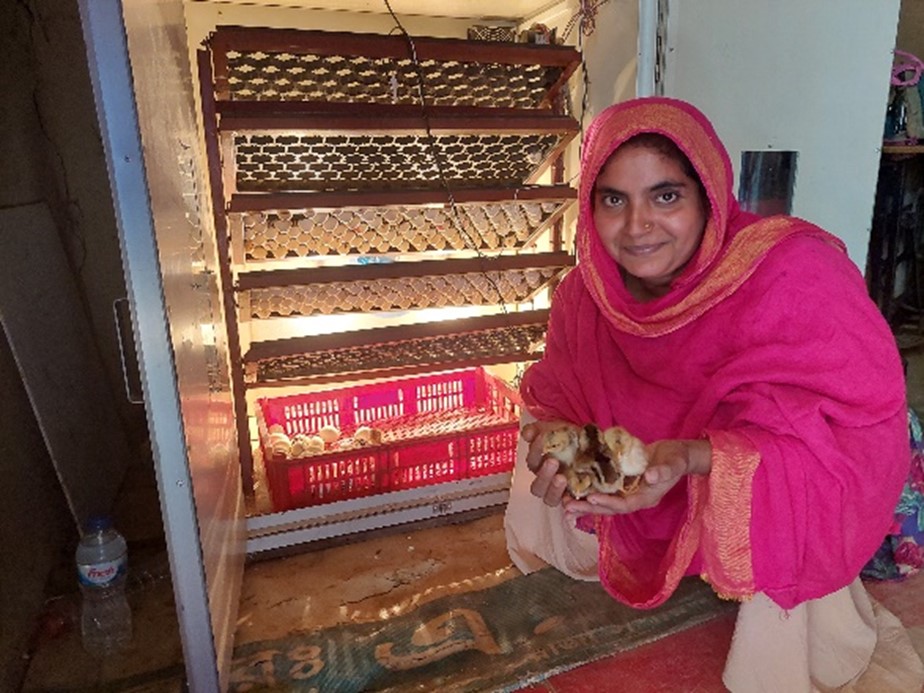
Chicken Rearing for Income Generation and Livelihood Improvement Livelihood Development of Women Entrepreneur
Considering the overall scenario and realities, BGS is trying to implement different projects on food security and livelihood development for the poor and marginalized communities in different parts of the country, with the supports of different donors and supporters.
To improve food security and strengthen sustainable livelihoods among vulnerable and marginalized populations in Bangladesh, with a focus on resilience to climate change and economic shocks.

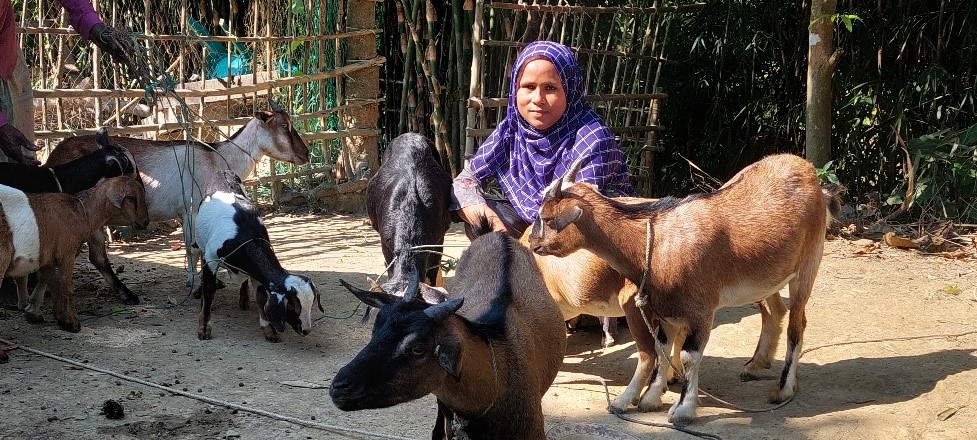
Goat Rearing for Food Security as an IGA Livestock Support for Livelihood Development of Ultra-poor


